Night shifts have a weird way of making everything feel harder than it should be. Even simple things can start feeling heavy at 2 a.m., and by the end of the week it’s not just tiredness, it’s that deep, dragging kind of fatigue that sits in your bones. For NHS shift workers, that feeling is almost part of the job, which is unfair, but also very real.
A lot of people think tiredness is just “part of working nights,” and yes, sure, maybe it is, but that doesn’t mean it has to completely wipe you out. There are ways to make it a bit more manageable. Not perfect. Just less brutal.
Why nights hit so hard
The body really does prefer routine, even if we act like it doesn’t. When sleep is pushed around, especially for people working in hospitals, the whole system gets a bit confused. Bright lights, noise, caffeine, adrenaline, then daylight when you’re trying to rest afterward it all adds up fast.
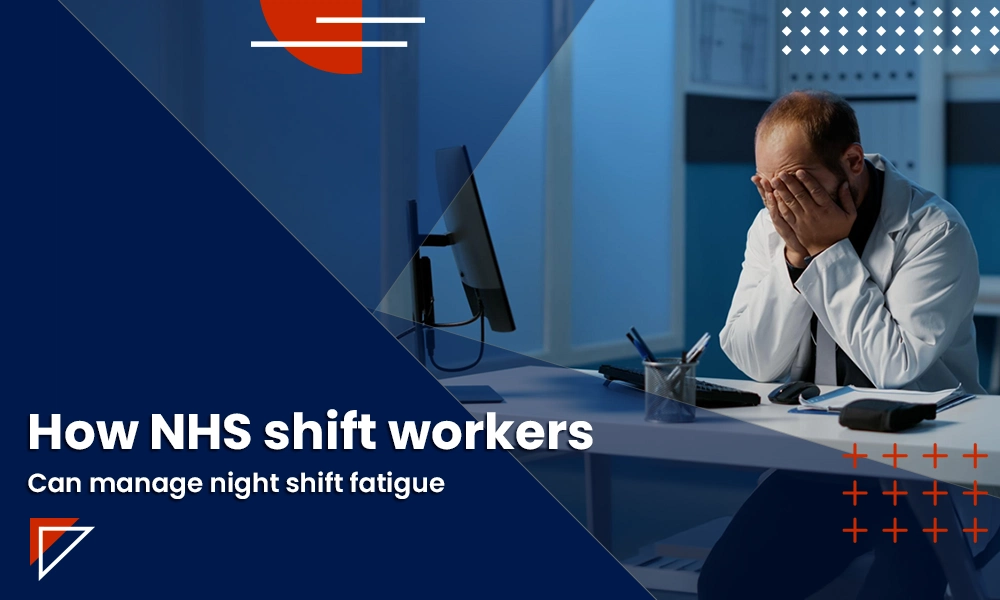
That’s why night shift fatigue NHS staff deal with can feel different from ordinary tiredness. It’s not just about needing sleep. It’s about being awake when your body wants to be asleep, and then trying to sleep when the world is awake.
People sometimes underestimate how disruptive this is. But if you’ve ever worked through a long ward round or tried to stay sharp during the slow hours of the night, you already know it’s not simple.
Sleep after shift is tricky
There’s no magic fix, which is annoying. But a rough NHS night shift sleep schedule can still help more than winging it. Some people sleep right after their shift, others need a short wind-down first. Honestly, it depends. The body doesn’t always cooperate neatly.
What usually helps is making the sleep space as boring as possible. Dark curtains, phone on silent, room cool, and trying not to treat daytime sleep like a bonus nap. It’s not quite the same thing. The more you protect it, the better chance you have of actually getting real rest.
And then there’s the problem of waking up too early because of noise, light, or just habit. That happens a lot. It’s frustrating, but it doesn’t mean the whole sleep attempt failed.
A few things that sometimes help
People love neat advice, but shift work rarely follows neat advice. Still, small habits do matter.
For NHS nurses and other staff pulling long nights, staying hydrated can help more than expected. Not in a dramatic way, just enough to avoid that dry, foggy feeling that makes everything worse. Food matters too. Heavy meals at the wrong time can make you sleepier, which sounds obvious, but people still forget when they’re rushing.
Caffeine is useful, but it can also turn on you. Too much too late and suddenly you’re in bed staring at the ceiling like it’s your new hobby. So it’s one of those things where the answer is “yes, but carefully,” which is not very satisfying, I know.
Some people also try short naps before the shift, or even during breaks if the setting allows it. That’s not always realistic, but when it works, it can take the edge off.
The weird part is the after-shift crash
This is the bit people don’t talk about enough. The shift itself might be survivable, but after it, your body can feel like it’s been emptied. That’s the part where managing fatigue after night shifts becomes almost as important as surviving the shift itself.
Don’t expect to bounce straight into chores, errands, or a full social life. Sometimes the best move is just getting home safely, eating something simple, and going to sleep before you talk yourself out of it. That sounds basic because it is.
Also, try not to fill your post-shift time with too much stimulation. It’s tempting to scroll or watch something “just for a minute,” and then suddenly the sun is up and sleep is harder. That cycle is annoying and way too familiar.
When it’s more than ordinary tiredness
There’s being tired, and then there’s the kind of fatigue that keeps showing up even when you’re trying to rest properly. That can sometimes look like Shift work sleep disorder symptoms, which are worth taking seriously if they keep hanging around.
People can feel constantly sleepy, struggle to focus, or get irritated in a way that feels out of proportion. Sometimes sleep becomes lighter, shorter, or broken in a way that doesn’t improve much between shifts. It’s not something to just shrug off forever.
If that sounds familiar, it may be worth talking to a GP or occupational health service. Not because something is necessarily wrong in a large dramatic sense, but because being exhausted all the time is not something anyone should just absorb as normal.
What helps on the actual night
A lot of advice around how NHS nurses stay awake during night shifts sounds too tidy, but the reality is usually a mix of tiny things. Moving around when possible. Drinking water. Taking short breaks when the unit allows it. Talking to someone for a minute. Standing under bright light. Eating at the right time. None of it is glamorous.
The truth is, staying awake is often about preventing the dip before it gets bad. Once you’re fully crashing, it’s much harder to recover. So people tend to build little routines that are not perfect but are just enough to keep them going.
And sometimes it still feels rough. That’s normal. Not ideal, but normal.
Support matters more than people admit
Shift work is often treated like a personal resilience test, which is a bit unfair. In reality, NHS healthcare workers are juggling workload, staffing pressure, emotional strain, and broken sleep all at once. That’s a lot.
Better staffing, decent break culture, and practical sleep support for NHS staff can make a real difference. This isn’t just about comfort. It affects safety, decision-making, and long-term health. A tired workforce is not the same as a resilient one.
The conversation around NHS staff wellbeing should include sleep much more than it usually does. People can be doing everything “right” and still feel run down if the rota is constantly shifting or recovery time is too short.
It’s not just a UK problem
Even though this is written around the NHS, the issue is broader. UK shift workers in all kinds of jobs deal with similar disruption, and so do UK healthcare professionals elsewhere. The body doesn’t care whether the job title sounds official. Night work is night work.
The wider NHS workforce is especially exposed because the work is so people-heavy and unpredictable. You can’t always just slow down because you’re sleepy. Patients still need care. That’s the hard part.
Some people look for extra help
In some cases, people ask about wakefulness treatment for shift workers when sleep and routine changes aren’t enough. That conversation should always involve a proper clinician, because what’s suitable for one person may not be appropriate for another. It’s not something to treat casually.
Some workers also search for terms like Modafinil UK or Armodafinil UK because they’re looking for support with alertness during difficult schedules. If this is something someone is considering, it really needs to be discussed with a medical professional rather than treated like a quick fix. Night shift fatigue is real, but so are the reasons for caution.
The same goes for anyone searching for NHS shift workers and medication options while trying to manage long-term exhaustion. The goal should be safer functioning, not just forcing the body to ignore what it needs.
The small stuff still counts
People often want one big answer, but honestly, it’s usually a pile of small things that help. Better sleep timing. Less light before bed. Not overdoing caffeine. Protecting recovery days. Being a bit kinder to yourself when you’re slower than usual.
And yes, sometimes the routines break down. That’s life. But if you’re working nights regularly, especially in a demanding setting, those little adjustments can stop the fatigue from getting completely out of hand.
Night work will probably always be hard. That part doesn’t change. But it doesn’t have to feel impossible every single week.
Frequently Asked Questions
1. How many hours should an NHS shift worker sleep?
2. Should I nap before a night shift?
3. Is caffeine good for night shifts?
4. What if I can’t sleep after a night shift?
5. When should I get medical help for fatigue?

Dr. Liam, MD is a physician with special interest in cognitive enhancement, sleep medicine and neuropharmacology. With experience in reviewing scientific research and clinical evidence, Dr. Liam develops patient-focused content covering nootropics, wakefulness-promoting medications, attention, memory, mental performance, and neurological wellness. All content is written with emphasis on medical accuracy, patient safety and evidence based information.