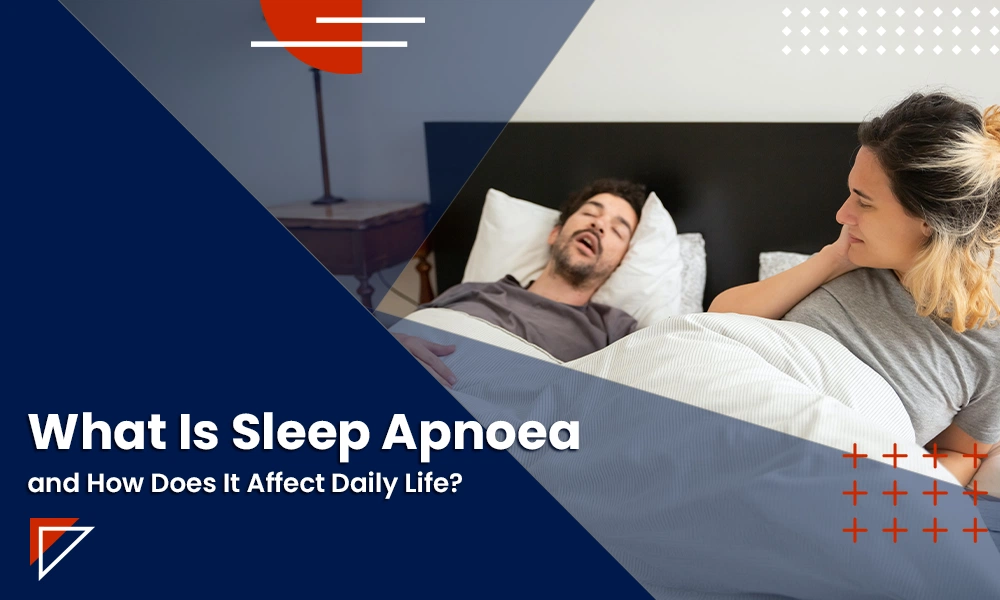
My dad’s snoring used to be a family joke. Then one night my mum lay there and timed how long he went silent between snorts, and it stopped being funny. ‘Forty seconds,’ she said. Forty!
So, sleep apnoea. I’ll try to explain what it is, and I’ll probably wander off a couple of times.
Okay, what is actually happening?
Your airway closes, or narrows so much that air can’t get through properly, while you sleep. The muscles in your throat relax a bit too much, the soft tissue sags back, and that’s that.
Your oxygen dips. Your brain notices and yanks you half awake. You snort or gasp, then drift off again. Most people don’t remember any of it.
Now picture that happening thirty times an hour. Fifty, sometimes more. All night.
Those are the breathing pauses during sleep that people talk about, usually ten seconds or longer. Partners tend to spot them first, because the person themselves is, you know, asleep.
There’s a rarer type where the brain doesn’t send the “breathe” signal properly. Central, I think it’s called. Most people have the obstructive kind, so that’s what I mean from here on.
It’s one of those breathing problems during sleep that sounds minor and really isn’t.
Why do some people get it, and others not
Sleep apnoea causes are a bit of a mixed bag. Extra weight is the big one, because fat around the neck and throat squeezes the airway. But slim people get it too, which surprised me. A narrow airway, big tonsils, a small jaw, and a blocked nose. Sometimes it’s just how you’re built.
Age matters. Being male matters, although women catch up after menopause. Smoking, sleeping tablets, and family history, all of it nudges things the wrong way.
Alcohol is a sneaky one. It relaxes the throat muscles even more, so that nightcap isn’t doing you any favours.
The night stuff
Loud snoring is the cliché, and yes, it’s common. But not everyone snores, and not every snorer has apnoea. So don’t panic if your partner just sounds like a lawnmower. Although, actually, if the snoring comes with gasping or choking, mention it to someone.
Thrashing about. Waking up with a dry mouth. Needing the loo three times a night. Night sweats.
The pattern the sleep apnoea symptoms follow is a bit odd. The worst bits happen while you’re unconscious, so you hear about them second-hand, usually from someone annoyed.
Mornings are rough
Waking up tired after a full eight hours is a big clue. You were in bed long enough, but poor sleep quality means your body never got properly into the deep stuff.
Then there are the morning headaches, a sore throat, and a foggy head that hangs around until mid-morning. Tiredness after waking that coffee doesn’t really touch.
I used to think this was just what being an adult felt like. Maybe sometimes it is.
The rest of the day
Daytime fatigue is what most people complain about. Not “I need an early night” tired. More heavy and flat, like everything takes a bit more effort than it should.
Then comes excessive daytime sleepiness, where you nod off in meetings, or on the sofa mid-conversation, or at red lights. That last one is the scary one. Drowsy driving causes real crashes. In the UK, you’re legally required to tell the DVLA if you’ve been diagnosed and it makes you sleepy. In the US, the rules vary by state, but the risk is the same.
Difficulty concentrating is another one. Reading the same email four times. Losing words halfway through a sentence. Snapping at people, feeling low, with less interest in sex.
It can look like depression, or burnout, or just getting older, and I think that’s partly why it gets missed.
Sleep disruption night after night will do that to anyone. Your daytime alertness just slowly slides, and you adjust to it, which is the worst part.
More than just feeling grumpy
Left alone, sleep apnoea is linked with high blood pressure, heart rhythm problems, type 2 diabetes and stroke. Linked, not guaranteed. I don’t want to overstate it.
But those repeated oxygen dips put real strain on your body, so it’s worth taking seriously. Compared with other sleep disorders, it’s weirdly easy to brush off.
Getting it checked
Start with your GP or family doctor. Describe it honestly, and ask your partner to describe it even more honestly.
They’ll probably ask you to fill in a sleepiness questionnaire (the Epworth one is common) and may arrange a sleep study. A lot of places now do home tests, with a little finger clip and a chest strap, so you sleep in your own bed. Some people need a night in a sleep clinic.
Lots of people with sleep apnoea go years without a diagnosis, because they assume everyone is this tired. Maybe everyone is, who knows? But you can check.
What actually helps
Treating sleep apnoea usually begins with a CPAP machine, which is a mask that blows gentle air to keep the airway open. Plenty of people hate it for the first few weeks. It’s noisy, it’s strappy, and it feels a bit ridiculous.
Then they stick with it for a month and say they haven’t felt this awake in years. Not everyone, but plenty.
There are other routes too. Losing weight if that applies, cutting back on alcohol, sleeping on your side, sorting out a blocked nose, or getting a custom mouth device that moves your jaw forward a bit. Surgery now and then, in specific cases.
Small changes count, even when they feel like nothing.
And the tablets?
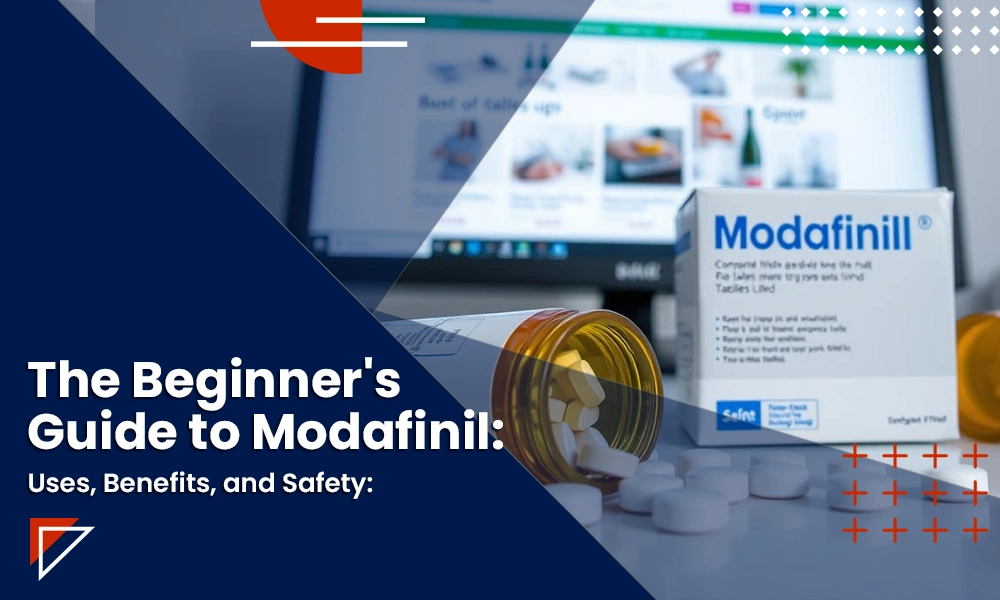
Some people are still very sleepy even when their breathing is properly treated. If that happens, a doctor may talk about a wakefulness medicine. Modafinil is the best known. Modaheal 100 Mg is one brand name for it that you might see in some countries.
It doesn’t fix the airway. It only helps you stay awake. And it’s prescription-only.
Rules differ by country. In the US, it’s approved for sleepiness linked to this condition when someone is already getting treatment. In the UK, it’s licensed more narrowly, mainly for narcolepsy, so not every GP will offer it.
If a doctor does prescribe Modaheal 100 mg or any modafinil product, take it exactly as told. Don’t use it as an excuse to ditch the CPAP. Headache, nausea, feeling jumpy, and trouble sleeping are common side effects. A serious rash is rare but needs urgent help. It can also make hormonal contraception less reliable, so mention that.
And please don’t buy it from random websites.
What I keep coming back to
If you’re doing everything right and still waking up flattened, and someone nearby tells you that you stop breathing at night, I wouldn’t wait for it to get worse.
It’s usually fixable. That’s the bit that annoys me, honestly. People suffer for years with something that has a fairly simple answer.