I’ve heard “I need a dopamine hit” about forty times this month, from my cousin, a podcast, and a bloke at the gym who was supposedly talking about protein powder. Everybody has a dopamine opinion right now.
So the other night, mid-scrolling on my phone, I typed “what is dopamine” into a search bar. A bit funny, given I was scrolling at the time. We’ll get to that.
This is me reading around and trying to separate the actual science from the internet noise, so please don’t treat it as medical advice.
The boring definition first
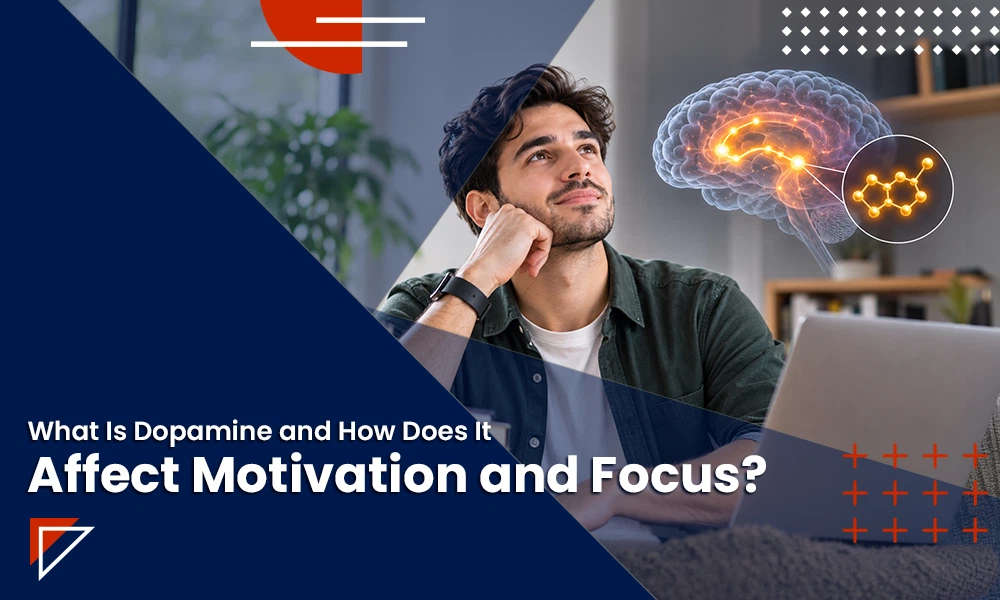
Dopamine is a chemical messenger in your brain. A neurotransmitter, if you want the proper word, which just means it carries signals from one nerve cell to the next.
That’s the textbook bit. In everyday terms, though, what is dopamine? Everywhere you look, it’s “the pleasure chemical,” and I think that’s the part that’s a bit off.
A better description, as far as I can tell, is that it’s more about wanting than liking. The anticipation. That “ooh, this might be good” feeling, not the good thing itself.
A researcher called Kent Berridge has spent decades on this. His work suggests wanting and liking run on overlapping but different wiring. You can crave something badly and barely enjoy it when you get it. If you’ve ever finished a whole packet of biscuits without tasting any of them, you know what I mean.
So what does dopamine do all day?
Loads. That’s the annoying answer.
It helps control movement. Parkinson’s disease, for instance, involves losing the cells that make dopamine in a part of the brain that handles movement, which is why tremor and stiffness show up. It also plays a role in learning, mood, attention, and the drive to get things done.
And there isn’t one dopamine system. There are several pathways, a bit like different roads leaving the same town, each going somewhere else. So how does dopamine affect the brain? It depends on which road you’re on.
I wanted a tidy answer to “What is dopamine?” and there isn’t one. That’s also why “more dopamine is better” is a daft idea.
The reward thing, and my phone
The dopamine reward system is what you’ve probably seen in headlines. And there’s a neat bit of research behind it.
In experiments by Wolfram Schultz, dopamine cells in monkeys didn’t just fire when a reward arrived. They fired when the reward was *unexpected*. Once the monkeys learned that a light meant juice was coming, the cells fired at the light instead. And if the juice didn’t show up? Activity dipped below normal.
So it looks less like a pleasure signal and more like a “better or worse than I expected” signal. A teaching tool. It helps your brain learn what’s worth chasing.
Which brings me back to my phone. Feeds are unpredictable. Sometimes there’s something great, mostly there isn’t, and that pattern is exactly what keeps the wanting going. Slot machines work in a similar way.
I’d be careful with the “your phone is basically cocaine” line, though. That’s a stretch, and the research on screens is a lot messier than the headlines. But the pull is real. I checked my phone twice while writing this paragraph.
Why starting feels so hard sometimes
Dopamine and motivation are tied together, and the rat studies are the clearest example I’ve found.
Rats with reduced dopamine in one brain region still liked their food. They just wouldn’t work hard for it. Offered an easy snack or a better one that took effort, they went for the easy snack. So it seems to be less about enjoying things and more about being willing to put in the effort.
That fits something I’ve noticed in myself. When I’m flat, I’m not unhappy exactly. I just can’t be bothered to start anything.
Focus is fussier
Dopamine and focus have a more awkward relationship.
In the front part of your brain, the bit that handles planning and working memory, there seems to be a sweet spot. Too little and your thinking gets sluggish. Too much and it gets scattered. Researchers describe it as an upside-down U.
So no, you don’t want to max it out. That might also be why stimulant medications can help one person concentrate and leave another jittery.
What about “low dopamine”?
You’ll find lists of low dopamine symptoms all over the internet. Tiredness, low mood, no motivation, trouble concentrating, and brain fog.
The trouble is that the same list fits poor sleep, depression, anxiety, thyroid problems, low iron, a stressful year, and being a human in November. And there’s no simple test. Blood or urine levels don’t tell you much about what’s happening in your brain. Nobody can really tell you what dopamine is up to in your particular head today.
So if someone’s selling a “dopamine test” or a supplement to fix it, I’d be skeptical.
Same goes for the “dopamine detox.” You can’t detox a neurotransmitter. The sensible version, as far as I can see, is cutting back on constant stimulation and noticing whether you feel better. Fair enough. It just isn’t a detox.
ADHD gets mentioned a lot
ADHD is thought to involve differences in how dopamine (and a related chemical, noradrenaline) signals work, which is partly why prescription stimulants can help. So I understand why people link the two.
But the usual adult ADHD symptoms, like losing track of time, chronic procrastination, restlessness, and a graveyard of unfinished projects, also look like what most of us feel after a bad week. The difference is that with ADHD it’s long-standing, it goes back to childhood, and it affects more than one part of life.
Don’t diagnose yourself from a short video. Honestly. If it rings true, talk to a GP or doctor.
Coffee, obviously
Does coffee improve focus? Sort of.
Mostly, caffeine blocks adenosine, a chemical that builds up through the day and makes you sleepy. Block it, and you feel more awake. There may be a smaller effect on dopamine too, but I wouldn’t lean on that.
It helps most when you’re tired and less when you’re not. And a fourth cup just makes you shaky and wrecks your night, which makes tomorrow’s focus worse. I’ve learned that the hard way, more than once.
Sleep. Again.
Sleep keeps turning up in everything I read, which is irritating, because it’s the least exciting answer.
One small brain-imaging study found that a night without sleep reduced the availability of certain dopamine receptors in a region of the brain. It was a small study, so I wouldn’t hang my hat on it. But it fits what I feel after a bad night, when everything seems pointless and slightly beige.
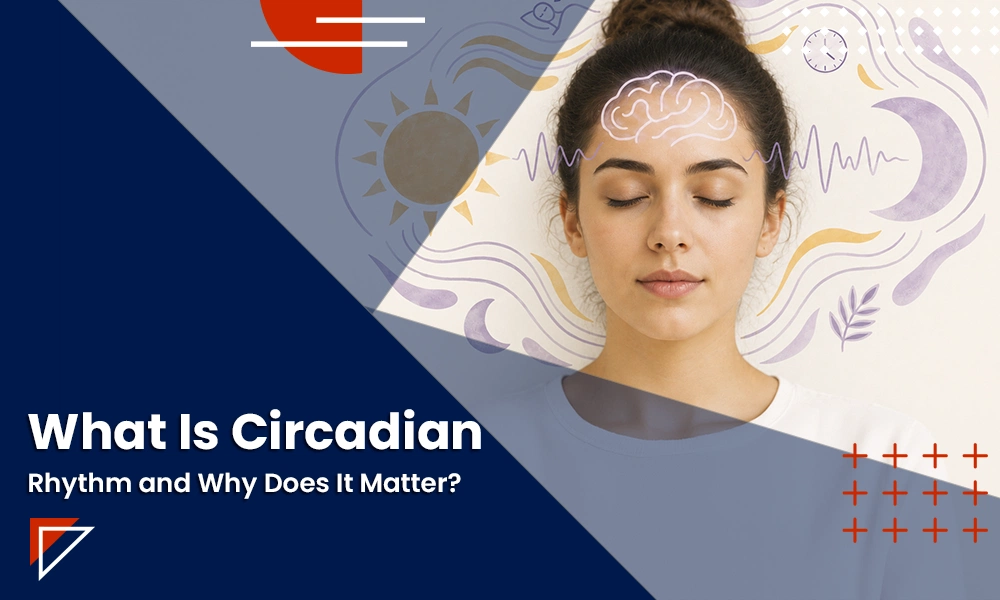
Your circadian rhythm, the body’s roughly 24-hour clock, shapes alertness and mood across the day. Morning daylight helps keep it steady. So do the dull sleep hygiene habits. Everyone ignores: roughly the same bedtime, screens down, a cool, dark room, and no caffeine late in the day.
Boring. Works better than most things I’ve tried.
Stuff that seems to help
I haven’t got a magic list. Once you know what is dopamine really for, which is wanting, learning, and effort, the fixes look a lot less magical anyway.
Exercise helps most people’s mood and energy, even a short walk. Daylight helps. Breaking a big task into something ridiculously small helps, because finishing small things gives your brain that “that went better than expected” signal. Ticking things off a list is quietly satisfying for exactly this reason.
Variety helps a bit too. Doing something new, even a different route home, seems to wake things up.
What doesn’t seem to help is trying to hack it. I spent a week on elaborate routines, and I was more tired than before.
When it’s worth getting help
If you’ve felt low, numb, or unable to function for a few weeks, don’t blame your dopamine and wait it out. See your GP or doctor. Depression and anxiety are common and treatable, and they’re a far more likely explanation than a missing chemical.
If you’re ever having thoughts of harming yourself, please reach out straight away. In the UK, you can call Samaritans on 116 123. In the US, call or text 988.
Where I’ve landed
So, what is dopamine? Not a happiness juice, whatever the internet says. It’s closer to a wanting-and-learning signal that helps decide what’s worth your effort. It’s involved in lots of things, and no single supplement, habit, or “detox” controls it.
Which is a bit deflating, honestly. I wanted a simple lever.
But I find it oddly reassuring that the unglamorous stuff, like sleep, daylight, movement, and small wins, is exactly what the science points to. And no, I haven’t stopped scrolling. I’ve just started noticing when I do it.
FAQs
1. What is dopamine?
It’s a chemical messenger in the brain involved in movement, learning, motivation, and attention.
2. Is dopamine the happiness chemical?
Not really. It’s more tied to wanting and anticipation than to enjoyment itself.
3. Can you boost dopamine naturally?
Exercise, sleep, daylight, and achieving small goals all seem to support healthy dopamine signaling.
4. Can low dopamine cause fatigue?
Possibly, but many other things cause fatigue, so it’s worth getting checked.
5. Do I need a dopamine detox?
No. You can’t detox a brain chemical, though cutting back on endless scrolling can help.