
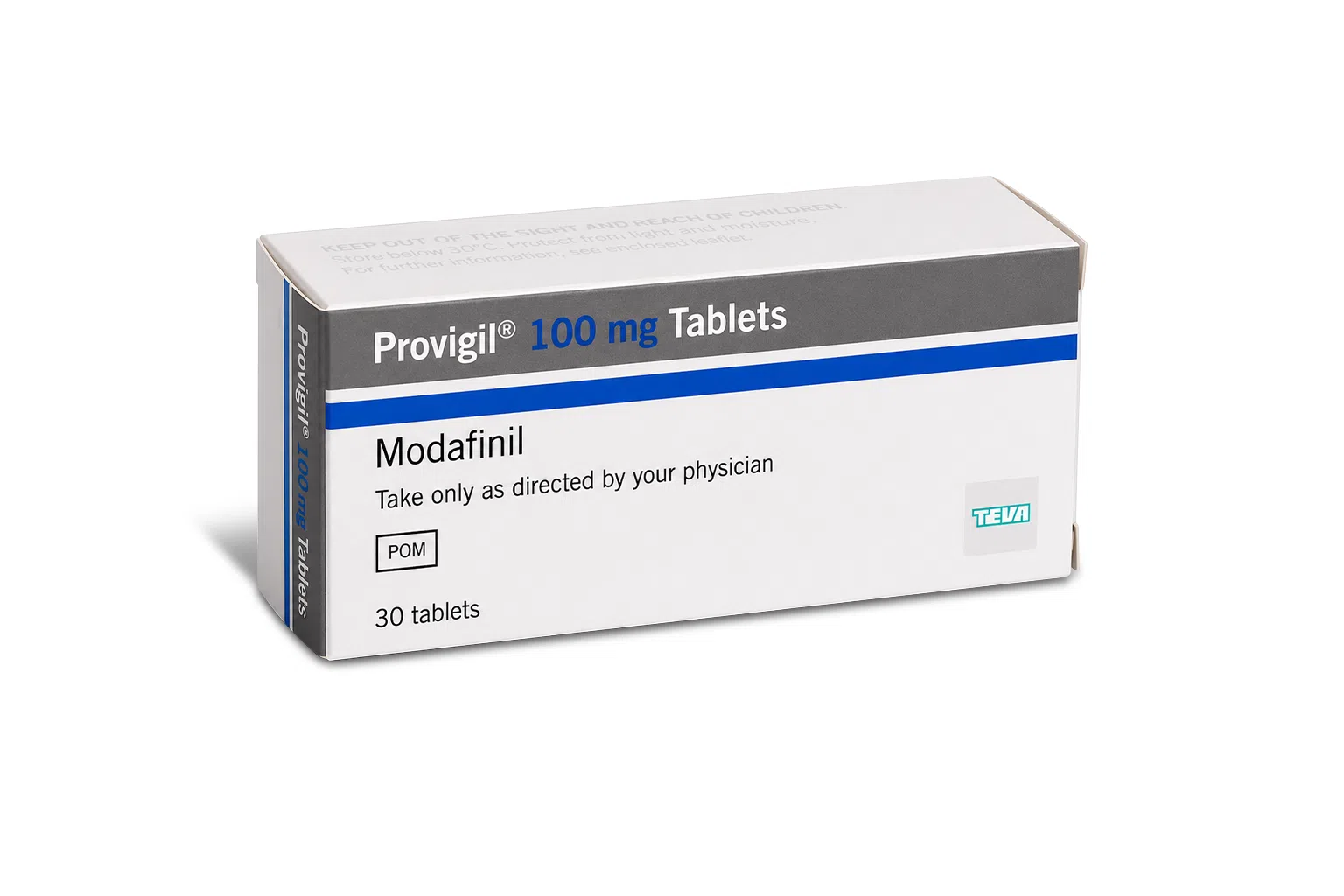

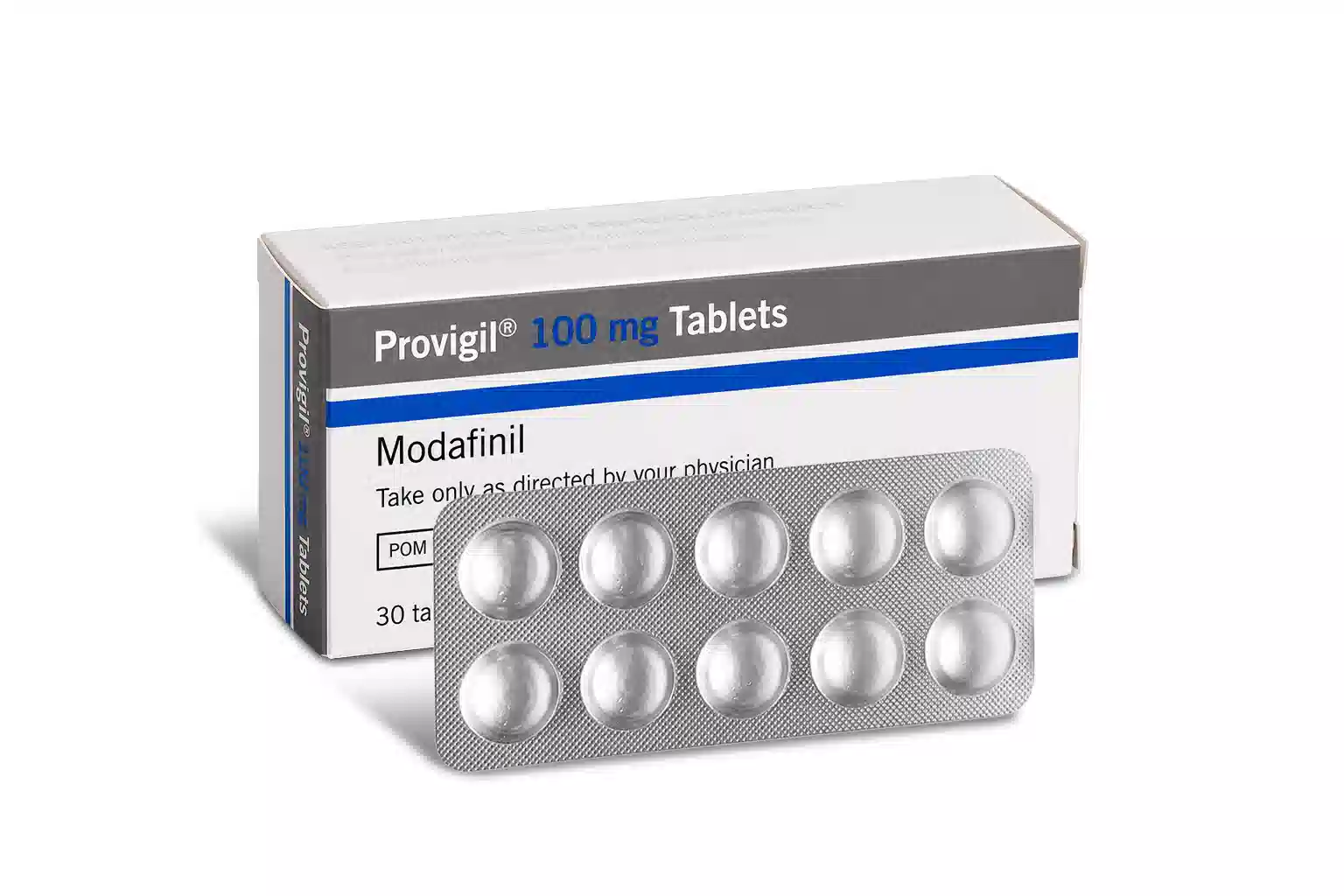
Provigil 100 mg is a wakefulness medication that is supposed to be taken by adults dealing with narcolepsy, obstructive sleep apnea (OSA), and shift-work disorder. Wakefulness can be difficult to manage for these adults, and they may experience excessive daytime sleepiness due to said sleep disorders. It affects their ability to concentrate, to be productive and to function in everyday life. The active ingredient in Provigil is modafinil, which affects several neurotransmitter systems in the brain to promote wakefulness and help prevent excessive sleepiness.
Composition
Active Ingredient: Modafinil (100 mg)
Inactive Ingredients:
- Croscarmellose Sodium
- Monohydrate Lactose
- Magnesium Stearate
- Povidone
Mechanism of Action
The neurochemical pathway of Provigil 100 mg is the same as all modafinil-based formulations, but it works at a lower dose and is therefore gentler on the central nervous system (CNS). This makes it especially suitable for people who may be more sensitive to the effects of wakefulness-promoting agents.
At its core, modafinil works by binding to and occupying the dopamine transporter (DAT) and blocking its ability to reabsorb dopamine from the synaptic cleft back into the presynaptic neurone. This helps in the accumulation of free dopamine in the brain regions that are directly related to wakefulness and executive function. This process helps people with sleep disorders like OSA, narcolepsy, or shift-work disorder stay awake for their important activities.
Indications
Provigil 100 mg is indicated for the management of excessive daytime sleepiness in adults with the following conditions:
- Narcolepsy, with or without cataplexy
- Obstructive Sleep Apnea (OSA)
- Shift-work sleep disorder
| Provigil 100 mg | |
| Drug class | Central Nervous System Stimulant |
| Subclass | Eugeroic |
| Product Details | |
| Formulation | Tablet |
| Route of administration | Oral |
| Packaging | Blister Pack |
| Pack size | 10*10 |
| Dosage | 100 mg |
| Therapeutic Class | Narcolepsy and Sleep Disorder Treatment |
| Used For | Excessive daytime sleepiness |
| Onset of Action | 30 to 60 minutes |
| Duration of Action | 11 to 12 hours |
| Shelf Life | 2 to 3 years from the date of manufacturing |
| Storage | Store in a cool, dry place away from sunlight at a room temperature that’s ranging between 77°F and 86°F. Keep out of reach of children and pets. |
Dosage
Any individual should speak with their GP before starting to take Provigil 100 mg, but here are a few guidelines that can be kept in mind:
- You should only have one tablet in the day. If the recommended amount is 100 mg, then try not to exceed that.
- People who have narcolepsy or OSA must take the medication in the morning.
- For shift-work disorder, take one tablet approximately one hour before the start of the work shift.
- Swallow the tablet whole with a glass of water. Do not crush, break, or chew it.
- Try to avoid taking Provigil 100 mg in the late afternoon or evening.
Side Effects
Some common side effects that are seen are:
- Headaches, which are most commonly reported in the early stages of treatment
- Dizziness
- Drowsiness
- Blurred vision
- Tachycardia
- Mouth dryness
- Stomach pain or upset
- Constipation
- Diarrhea
- Chest pain
Uncommon side effects that might need medical attention:
- Increased appetite
- Decreased libido
- Aggressive behaviours
- Suicidal ideations
- Skin rashes
- Back or neck pain
- Menstrual disorder
Interactions
Anticonvulsants
Modafinil affects how your liver processes some drugs, so it can speed up or slow down the breakdown of anti-epileptics. Either the drugs can reduce the effectiveness of modafinil or modafinil can reduce their blood levels.
Steroidal contraceptives
Modafinil can decrease the effectiveness of steroidal contraceptives by speeding up the rate at which the liver breaks down the hormones.
Anticoagulants
Combining modafinil with blood-thinning medications like warfarin can increase the possibility of bleeding risks.
Caffeine and other stimulants
Combining Provigil 100 mg with caffeine or other stimulant-containing products can worsen cardiovascular and neurological stimulant effects, which can increase the risk of palpitations, anxiety, and difficulty sleeping.
Alcohol
Provigil can make it difficult for a person to feel the effects of intoxication, which can increase their consumption of alcohol to dangerous levels.
Precautions & Safety Warnings
- Pregnant women should avoid taking modafinil since it has been found to cause major birth defects.
- Modafinil should also not be taken by women who are breast-feeding.
- Individuals should discontinue taking Provigil 100 mg at the first sign of a skin rash and never restart it. Even small rashes can be a starting sign of the Stevens-Johnson syndrome.
- Modafinil is not recommended for people under the age of 18.
- Modafinil can increase the feeling of anxiousness, so individuals with major anxiety conditions should avoid taking Provigil 100 mg.
- If you experience any suicide-related thoughts, then you should stop taking the medication.
- People taking Provigil 100 mg should monitor their aggressive tendencies and make sure that they stop taking the medication if their aggression increases.
- Provigil 100 mg does not treat the underlying cause of any sleep disorder. Individuals with obstructive sleep apnea must continue their primary airway management treatment alongside this medication.
Conclusion
Provigil 100 mg offers some established wakefulness-promoting benefits of modafinil at a lower, more conservative strength for individuals who need a lower starting point due to factors like sensitivity, age, liver function, or their GP’s judgement. Provigil carries with it decades of clinical use, a well-documented safety and efficacy profile, and the confidence that comes with being one of the most extensively studied eugeroic agents in sleep medicine. Individuals with shift-work disorder, narcolepsy, or OSA can take Provigil 100 mg with their GP’s advice.
FAQs
1. What is Provigil 100 mg used for?
Provigil 100 mg is used by people with sleep disorders like OSA, narcolepsy, or shift-work disorder who feel excessively sleepy during the day and need to stay awake.
2. What is the best time to take Provigil 100 mg?
That depends on who is taking it. People with narcolepsy and OSA should try to take Provigil in the morning, while shift workers should take Provigil at least an hour before their shift.
3. What should you avoid while taking Provigil?
You should avoid taking Provigil with other medications or food items like hormonal contraceptives, alcohol, or caffeine that can worsen the symptoms or decrease its effectiveness.
4. What is the difference between Provigil 100 mg and other stimulants?
Provigil 100 mg has a targeted approach to wakefulness, unlike general stimulants that fire up the whole CNS.
5. What should I do if I develop a skin reaction after taking Provigil 100 mg?
If you end up developing a skin rash after taking Provigil 100 mg, then you should immediately get it looked at by a medical professional and stop taking the medication. Even a mild rash could be a sign of life-threatening skin conditions.




merry.c –
I liked that Provigil felt relatively subtle. It helped me stay on task and avoid getting overwhelmingly sleepy, although the effect wasn’t exactly the same every day